
AREAS OF EXPERTISE
CBRN
An integrated suite of software solutions supporting CBRN preparedness, training, monitoring, incident management, hazard prediction, decision support, and operational planning across chemical, biological, radiological, and nuclear threat environments.
AREAS OF EXPERTISE · CBRN
CBRN defence, engineered for the decisive minutes
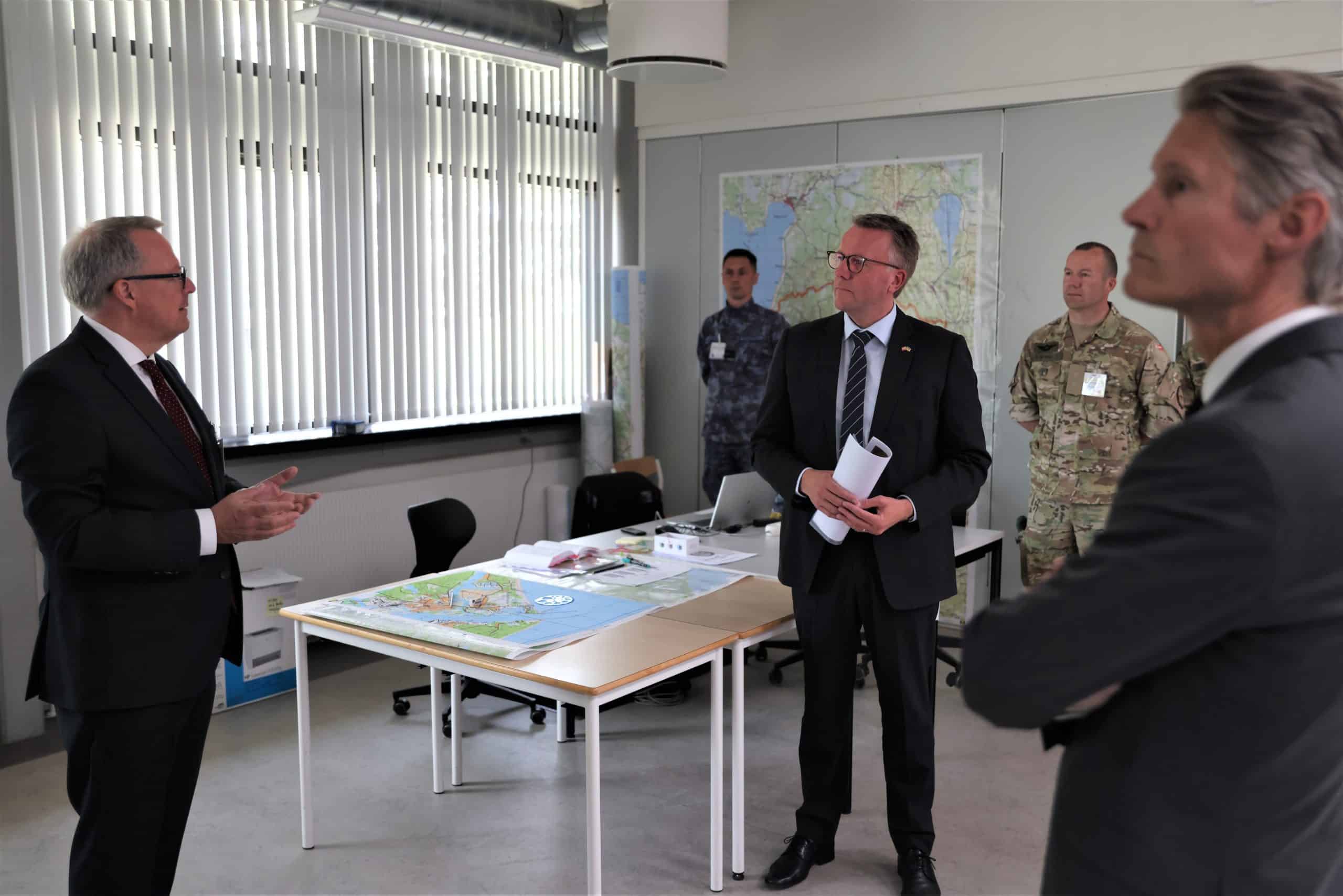
Detection is only the beginning. The hard part is turning scattered sensor data, field reports and weather into one picture, fast enough to act on. For more than 30 years we have built that software for defence forces, first responders and the nuclear industry.
Why organisations trust us here
Operational credibility, validated science, and proven results.
Proven in real operations
Athens 2004 and London 2012 Olympic Games. The safe removal of chemical weapons from Syria in 2014 and Libya in 2016. Hazard predictions for NATO commands in Zaporizhzhia.
We help write the doctrine
Bruhn NewTech has been a member of the NATO Knowledge Management Panel since 2001 — the body responsible for developing AEP/ATP-45. The standard our software implements is one we help shape.
Independently validated science
RADIATE is built with the UK National Nuclear Laboratory to modernise nuclear safety case modelling. Our hazard prediction is developed with our partner Riskaware.
35 years of CBRN specialisation
Since 1991 we have worked on nothing else: CBRN information management for defence forces, first responders and the nuclear industry.
THE DECISION CYCLE
01
02
03
04
The same cycle, different tools — Defence: CBRN-Analysis · Civil authorities and first responders: UrbanAware · Sensor integration across both: SCIM®
Operational use-cases
Real situations, from the challenge to the outcome.
CBRN-Analysis
Toxic industrial hazards: A chemical release, planned for and responded to
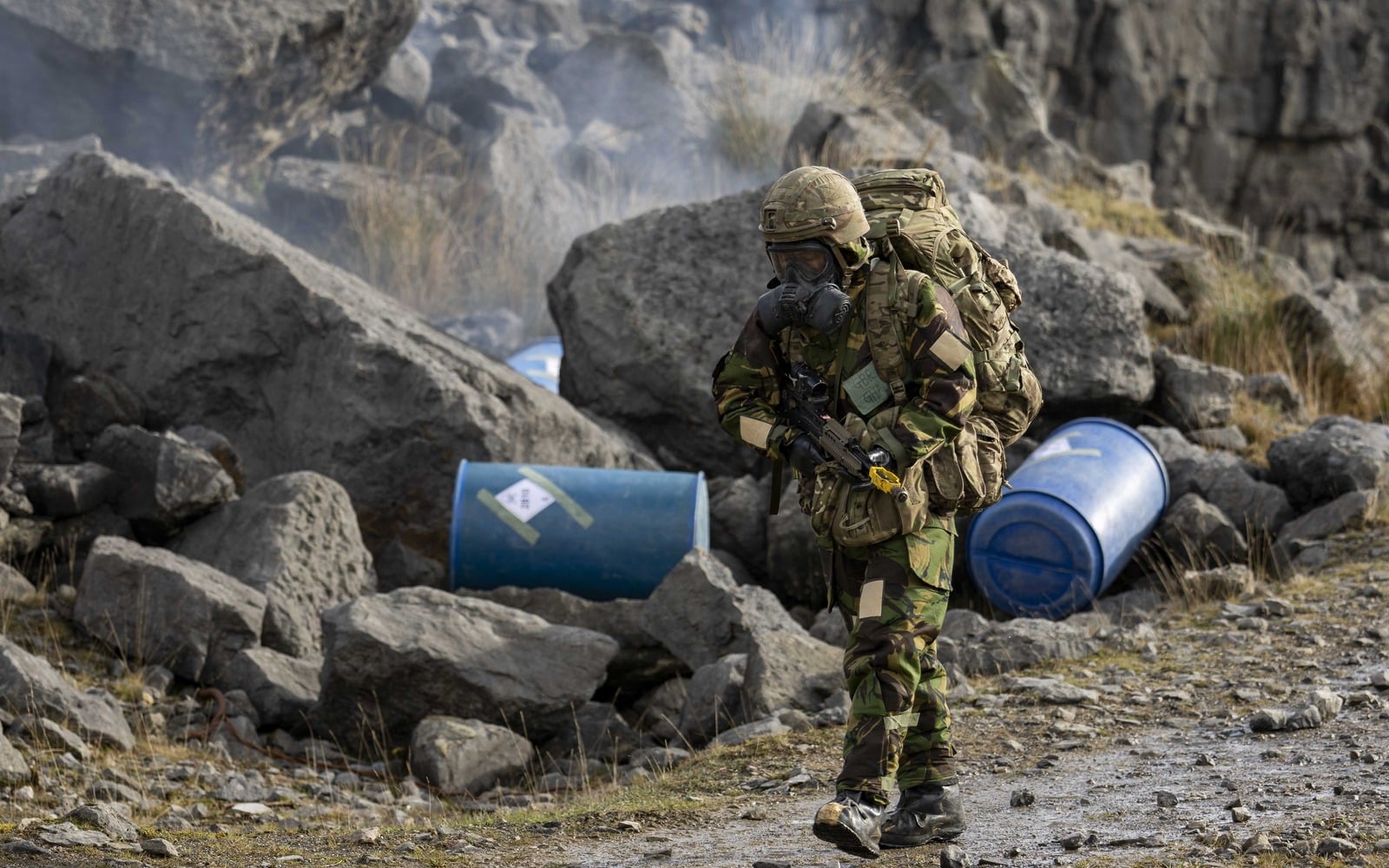
Industrial chemicals are a hazard whether they are released by accident, by damage in conflict, or by design. A CBRN officer has to plan for the plants inside their area of operations before anything happens. A first responder has to act on a release already underway, with residential areas minutes downwind.
SCIM® brings sensor feeds and field reports into one picture. CBRN-Analysis predicts downwind hazard areas using NATO ATP-45 methods, so TIC/TIM sites can be assessed in planning and modelled live when a release occurs. UrbanAware forecasts indoor and outdoor dispersion for urban response, advises cordon placement and plans evacuation routes against live population density.
THE OUTCOME
The planner knows which sites threaten which positions before the first report arrives. The responder issues accurate cordons and evacuation routes within minutes, not hours. Both work from the same live picture.
Products used: CBRN-Analysis · SCIM®
UrbanAware
Nuclear & radiological: Building a defensive nuclear safety case
THE OUTCOME
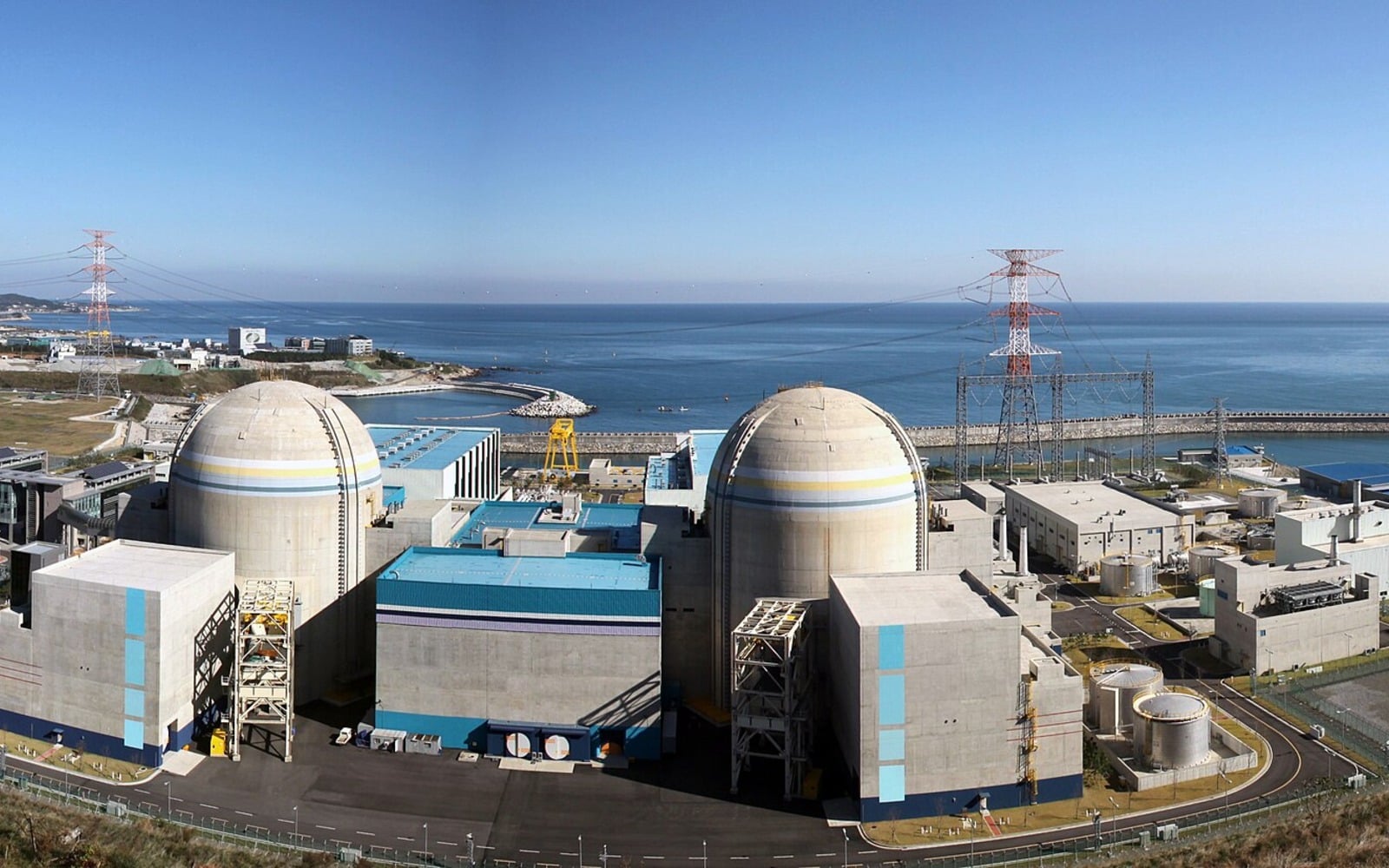
Tighter margins on safety cases, smaller Emergency Planning Zones, and siting decisions for advanced modular reactors that rest on validated science rather than inherited assumptions.
Products used: RADIATE · CBRNE-Frontline
SCIM®
Allied operations: One CBRN picture, inside the systems each nation already uses
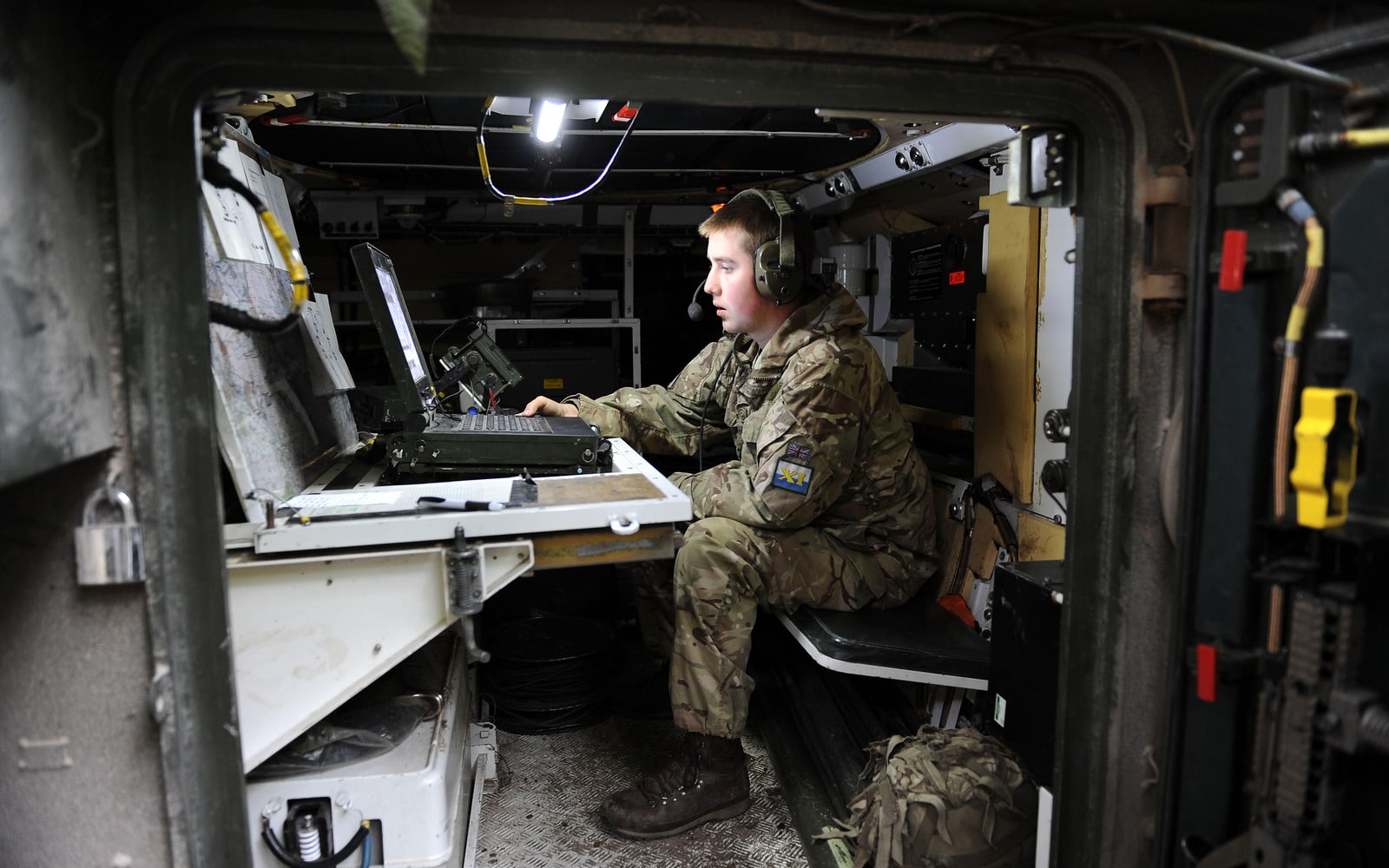
In a multinational operation, each nation arrives with its own sensors, its own C4I system and its own reporting formats. A hazard prediction that stays inside the CBRN cell is not a warning — it is a delay. The picture has to reach the commanders who act on it, on the systems they already have open.
CBRN-Analysis generates CBRN 1–6 messages to ATP-45 Edition F and AEP-45, in APP-11 formats with APP-6(D) symbology, and publishes the CBRN common operational picture straight into the C4I systems already in service — including SitaWare and ATAK — alongside NFFI friendly force tracking, NVG and OGC web map services. SCIM® decodes and normalises sensor data from mixed national equipment.
THE OUTCOME
The CBRN picture appears inside the C4I system each nation already uses, without re-keying or translation. Warnings travel at the speed of the network rather than the speed of a liaison officer.
Products used: SCIM®
Products in CBRN
Select a product for full detail, specifications and downloads.
CBRN-Analysis Classic
Hazard prediction & operational decision support
RADIATE
Nuclear safety case modelling
CBRN-NG
Coming in 2028
SCIM®
Plug-and-play sensor integration
UrbanAware
CBRNe situational awareness
Ready to see CBRN in action?
Talk to the team about your operational requirements.